

Future Event Décor Trends for 2026 Featuring AI Personalization and Sustainable Installations
- Event Decor Hire

- Dec 2, 2025
- 3 min read
Event décor is evolving rapidly, and 2026 promises to bring some exciting changes. From technology-driven personalization to eco-friendly design, the way we create event spaces is shifting to meet new demands and expectations. This post explores four key trends set to shape event décor next year: AI-personalized décor, rental-friendly sustainable installations, sensory branding, and immersive environments. Understanding these trends will help event planners, designers, and hosts create memorable, meaningful experiences that resonate with attendees.
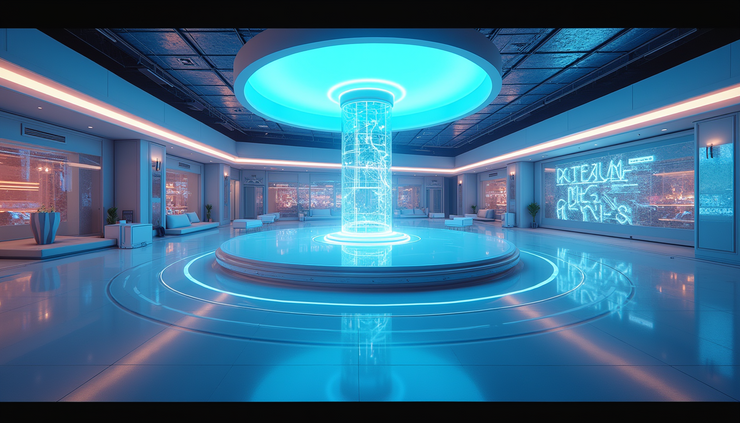
AI-Personalized Décor Creates Unique Experiences
Artificial intelligence is no longer just a buzzword; it is becoming a practical tool for event décor. AI personalization means using data and smart technology to tailor décor elements to the preferences and behaviors of attendees. This trend allows events to feel more intimate and engaging, even at large scales.
How AI Personalization Works in Décor
Data Collection: Before the event, organizers gather data from registrations, social media, and surveys to understand attendee interests.
Dynamic Adjustments: AI systems adjust lighting, colors, and visuals in real time based on crowd mood or individual preferences.
Interactive Elements: Smart installations respond to movement, voice, or touch, creating a personalized interaction for each guest.
Examples of AI-Personalized Décor
A wedding where the lighting changes to match the couple’s favorite colors and the guests’ energy levels.
Corporate events with AI-driven projection mapping that displays personalized messages or images for different groups.
Music festivals using AI to adapt stage visuals and ambient décor based on the genre preferences of the crowd.
This approach not only enhances the atmosphere but also makes attendees feel seen and valued, increasing satisfaction and engagement.
Rental-Friendly Sustainable Installations Reduce Waste
Sustainability is no longer optional in event planning. The environmental impact of single-use décor is significant, and 2026 will see a rise in rental-friendly, eco-conscious installations designed for reuse and minimal waste.
What Makes Installations Sustainable and Rental-Friendly?
Modular Design: Pieces that can be easily assembled, disassembled, and reconfigured for different events.
Durable Materials: Use of recycled, recyclable, or biodegradable materials that withstand multiple uses.
Local Sourcing: Reducing carbon footprint by sourcing materials and décor elements close to the event location.
Benefits of Sustainable Rental Décor
Cost Efficiency: Renting reduces the need for purchasing new items for every event.
Environmental Impact: Less waste and lower resource consumption.
Flexibility: Modular pieces can adapt to various themes and spaces.
Real-World Applications
A conference center offering a library of sustainable décor elements that clients can mix and match.
Event companies partnering with local artisans to create rental décor from reclaimed wood and natural fibers.
Festivals using reusable stage backdrops and seating made from recycled plastics.
This trend encourages creativity while supporting environmental responsibility, appealing to both planners and attendees who care about sustainability.
Sensory Branding Enhances Emotional Connection
Events are no longer just visual experiences. Sensory branding uses sound, scent, texture, and even taste to create a deeper emotional connection with attendees. This trend is gaining traction as brands and hosts look for ways to make their events unforgettable.
Key Sensory Elements in Event Décor
Soundscapes: Background music or ambient sounds tailored to the event’s mood.
Scent: Custom fragrances that evoke specific feelings or memories.
Textures: Incorporating tactile materials in furniture, walls, or installations.
Lighting: Using color temperature and intensity to influence mood.
How Sensory Branding Works in Practice
A product launch where the scent of fresh pine complements a nature-themed décor.
A gala event with soft velvet textures on seating and warm, golden lighting to create a cozy atmosphere.
An art exhibit using subtle soundscapes to guide visitors through different sections.
Sensory branding helps attendees connect with the event on a subconscious level, making the experience more immersive and memorable.
Immersive Environments Transform Event Spaces
Immersive environments go beyond decoration to create fully engaging spaces that transport attendees to another world. This trend combines technology, design, and storytelling to craft environments that invite exploration and interaction.
Characteristics of Immersive Event Environments
Multi-sensory Design: Combining visuals, sounds, scents, and textures.
Interactive Technology: Augmented reality (AR), virtual reality (VR), and projection mapping.
Narrative Elements: Spaces designed around a story or theme that unfolds as guests move through.
Examples of Immersive Décor
A themed party where guests enter a forest scene with realistic sounds, mist, and interactive light paths.
A trade show booth using AR to let visitors explore products in a virtual setting.
A museum event with projection mapping that brings exhibits to life.
Immersive environments encourage participation and create lasting impressions, making events stand out in a crowded market.


Comments